The Evolution of Positive Reinforcement Training in the Equine World and Applications in Veterinary and Physical Therapy Practice

Positive reinforcement training is an incredibly valuable tool in the world of animal behavior, veterinary care, and equine rehabilitation. While historically associated with the training of marine mammals, dogs, and zoo animals, it is now gaining robust traction in equine practice.

Understanding the theoretical underpinnings of positive reinforcement and its practical applications in veterinary and therapeutic settings requires a look at the science of learning and behavior.

This article explores the history and science of positive reinforcement training, its integration into equine contexts, and how it can be applied to improve outcomes in veterinary procedures, cooperative care, and physical therapy and rehabilitation for horses.

Read More
Barbara ParksComment
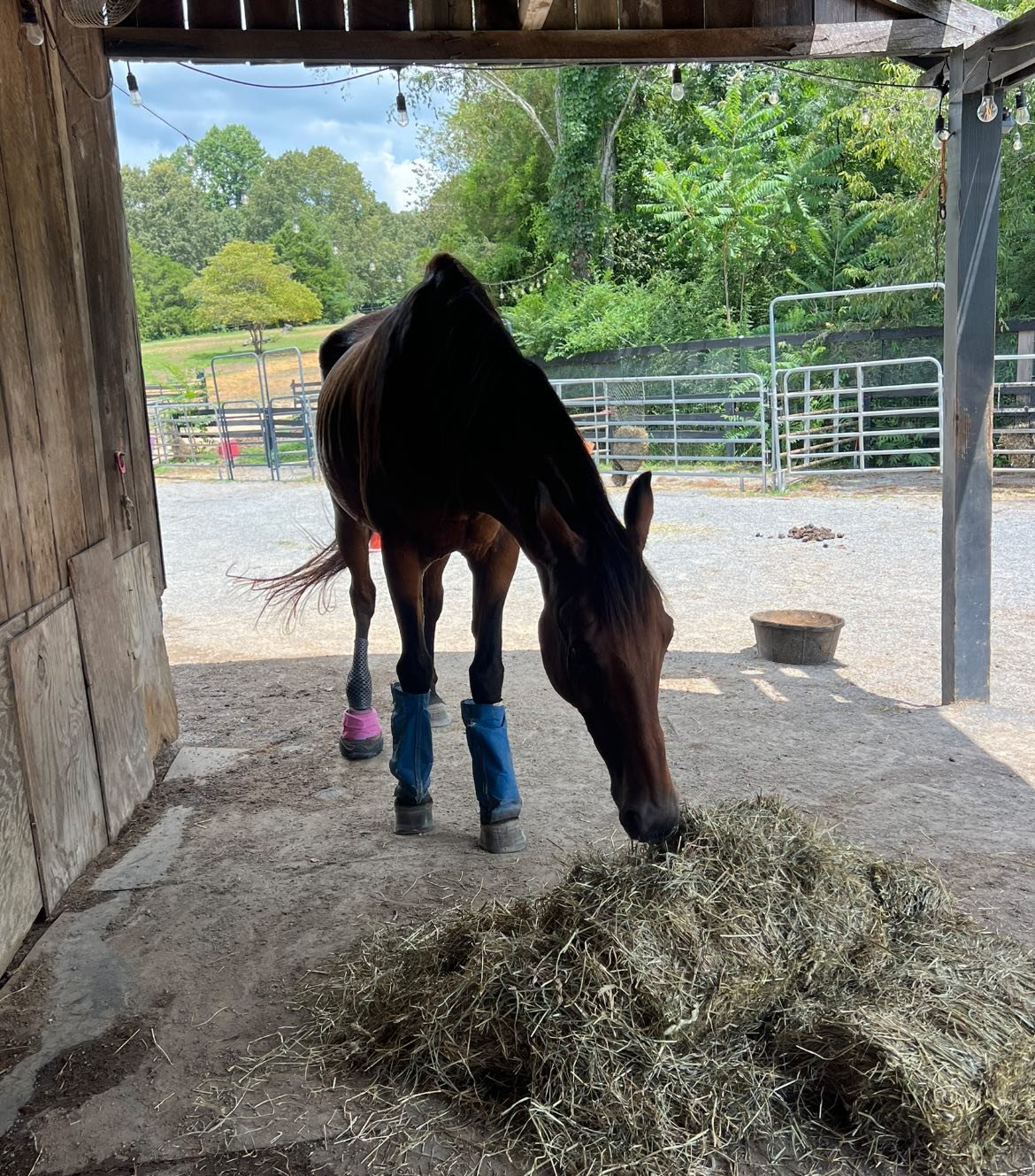
Hoof Abscess 101

My clients have been dealing with a lot of these lately with all of this wet weather, and we had one in my herd this week - so I wanted to share my favorite way to manage these monsters

When a horse comes in 3-legged lame it’s always scary… and the diagnosis options are pretty much:

  • It’s an abscess

  • Or the leg is broken

  • Or there is severe tendon or ligament damage

So it’s either no big deal or it’s a very very big deal cool cool cool…

Read More
Barbara ParksComment
From Treats to Trust: How Positive Reinforcement Grows Beyond the Transaction

When people first encounter positive reinforcement (R+) training, it often looks and feels very mechanical: click, treat, repeat.

There may be a sense of disconnect—a feeling that the relationship is reduced to a transaction. People worry that the horse is "just doing it for the food."

But here’s the truth: all training starts off as a kind of transaction. Whether you're using positive reinforcement or negative reinforcement (pressure and release training), the early stages involve a straightforward exchange. The horse performs a behavior, and something happens in return.

Read More
Barbara ParksComment
Restoring the Family Unit: Why Herd Life Is the Missing Link in Equine Rehabilitation

When most people think of equine rehabilitation, their minds go straight to the physical:

  • Corrective farriery

  • Postural exercises

  • Bodywork and physical therapy

  • Veterinary treatment protocols

  • Nutrition and management adjustments

All of these are crucial. But after years of working in this space, I’m convinced that there’s another piece—equally essential, but often overlooked—that can make or break a rehab journey:

The horse’s social environment.

Read More
Barbara ParksComment
Why the “Next Big Thing” in Bodywork Won’t Fix Your Horse

Stop Chasing the Next Big Thing in Equine Bodywork — because healing doesn’t come from a flashy tool, it comes from thoughtful, responsive care.

If you're passionate about helping horses feel their best, you've probably been tempted (more than once) by the promise of the next big thing in bodywork.

Maybe it's a brand-new fascia tool. A flashy modality. A trending technique everyone’s raving about on social media.

And while curiosity and continuing education are wonderful things—we need to talk about something important…

Read More
Barbara ParksComment
Tight Fascia? It Could Be Dehydration — Here’s What to Know

We often talk about the importance of keeping horses hydrated for digestion, temperature regulation, and performance. But there’s another critical—but lesser-known—reason to prioritize water intake: fascia health.

Fascia, the body’s vast network of connective tissue, relies heavily on hydration to remain supple, elastic, and fully functional. So what happens when a horse is even slightly dehydrated? The effects might be more significant than you think.

Read More
What Is Equine Physical Therapy? (And How Is It Different From Massage or Chiropractic?)

🐴 More Than Just “Bodywork”

You love your horse. You want to keep them healthy, moving well, and feeling their best. But when something’s off—maybe they're stiff, short-striding, or just “not quite right”—where do you turn?

That’s where equine physical therapy comes in. But what is physical therapy for horses? And how does it compare to other modalities like massage or chiropractic?

Let’s break it down.

Read More
🚩 5 Signs Your Horse is Not a Candidate for Massage—and Needs to See a Vet

As equine therapists and horse owners, our number one priority is the health and safety of the horse. While massage offers incredible benefits for muscle tension, circulation, and relaxation, it’s not a substitute for veterinary care—and in some cases, it’s simply not appropriate.

Knowing the difference between when to massage and when to refer to a vet is part of being a responsible equine caregiver or bodyworker.

Here are five signs your horse may need veterinary attention before receiving any kind of massage therapy.

Read More