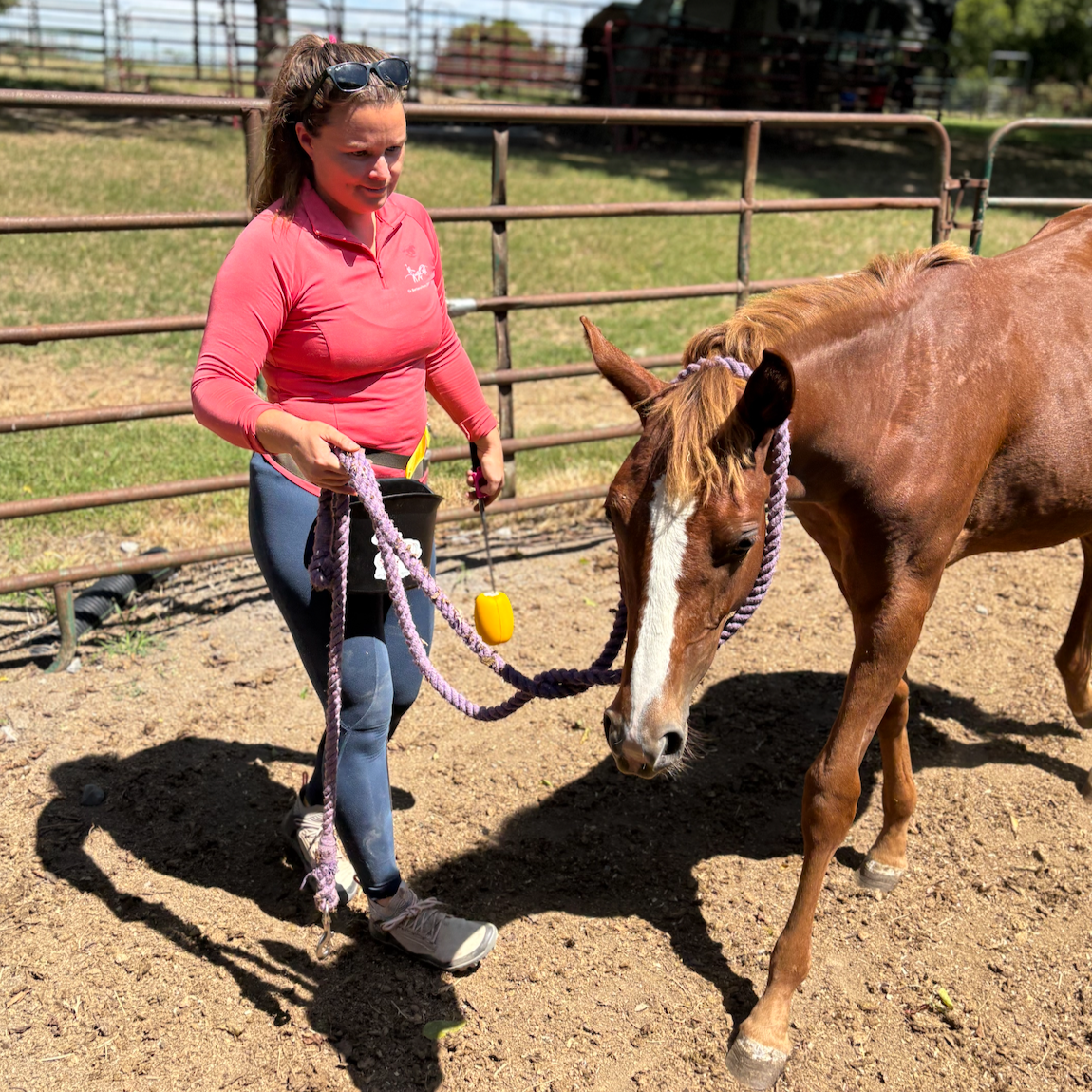
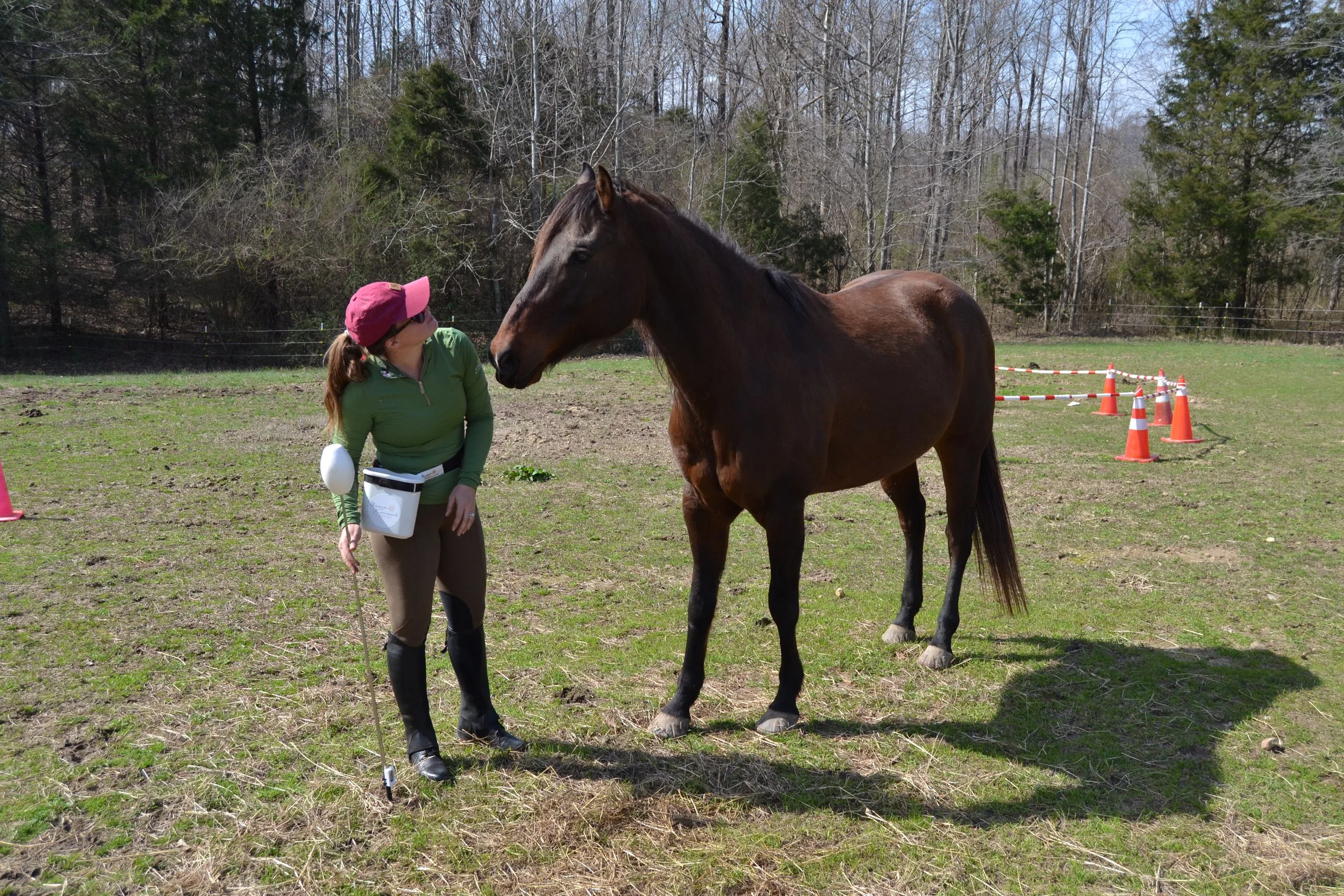
Buying a horse is one of the most exciting and high-stakes decisions you'll make as an equestrian. Whether you're investing in your first horse, moving up to a competition partner, or adding a new companion animal to your barn, a pre-purchase exam (PPE) is a critical part of the process. Most buyers know that this involves a thorough veterinary evaluation to assess health and soundness. But there’s an often-overlooked player who can provide invaluable insight during this process: the equine physical therapist.
Read MoreFor most horses, a trim or shoeing is a routine appointment that leaves them standing a little taller, moving a little easier, and ready to get back to work. But occasionally, you might notice your horse seems sore afterward. A short period of adjustment can be normal—but sometimes, that soreness is a red flag that deserves attention.
This guide will help you understand what’s normal, what’s not, and what steps you can take if your horse is uncomfortable after a farrier visit.
Read MoreWhen we think of a horse’s athletic ability, words like strength, speed, and stamina often come to mind. But one of the most vital elements of equine performance is less obvious: proprioception. This “sixth sense” of body awareness allows horses to know where their limbs are in space, coordinate complex movements, and stay balanced even under a rider’s shifting weight. And yet, it’s often overlooked in training, rehab, and injury prevention.
This article explores what proprioception is, why it matters for every horse—not just athletes—and how targeted rehabilitation exercises can enhance body awareness, improve performance, and reduce the risk of injury.
Read MoreFew phrases strike more fear into a horse owner than: “It’s a tendon injury.”
Tendon and ligament injuries are notoriously challenging, often requiring months of careful rehab, strict management, and, unfortunately, patience. But with the right plan, many horses can return to comfort and even high levels of performance.
This blog takes a deep dive into the stages of soft tissue injury rehab, the milestones to aim for, the common pitfalls to avoid, and the tools and therapies that can truly make a difference in your horse’s recovery.
Read MoreWhen a horse starts showing subtle signs of discomfort or performance decline, many riders instinctively think, "Could it be their back?" This isn't surprising—the horse's back plays a critical role in nearly every movement they make, from collection to transitions, from bending to maintaining balance. Yet equine back pain is often underdiagnosed, misunderstood, or overlooked entirely.
Understanding what may be going on in your horse's back starts with asking the right questions. In this article, we’ll explore three key questions that can help you determine whether your horse's back might be part of the problem—and how to begin finding answers.
Read MoreIn equine rehabilitation, there’s a tension I feel almost every day. On one side: the growing body of evidence-based practice, supported by peer-reviewed studies, clinical guidelines, and a professional commitment to measurable outcomes. On the other: the instinctive, horse-centered knowledge that comes from years of living alongside horses — watching them in herds, feeling their tension under your hand, or listening to the stories their owners share.
The real magic of effective care lies not in choosing one over the other, but in learning how to bridge the two.
Read MoreIn the horse world, few things are universal. Walk into any barn or scroll through any social media feed, and you’ll quickly notice that diversity of thought, training styles, treatment approaches, and philosophies is the norm—not the exception. Some professionals are grounded in classical training traditions; others are cutting-edge, data-driven, or deeply intuitive. Some work within the veterinary system, others operate more holistically. Some are loud and outspoken; others soft-spoken and behind the scenes.
This diversity is not a problem.
In fact, it’s one of our greatest assets.
But lately, I’ve seen something that threatens the richness of this collective wisdom…
Read MoreWhen a horse is coming back from injury, owners often expect to see flashy exercises, intricate pole patterns, or specialized equipment as part of their rehab plan.
And yes — those things have their place.
But ask any experienced equine rehab professional what the foundation of recovery is, and you might be surprised by the answer: walking.
It’s simple. It’s slow. And when done with intention, it’s one of the most powerful tools for rebuilding a horse’s strength, mobility, and confidence.
Read More